
Games about making things and the endless quest for perfection
Getting marginally better at Satisfactory, Against the Storm, Cities Skylines and Civilisation VII.

There’s an overused quote in video games: given half the chance, players will engineer out all the fun. As a tribe, we’re obsessed with efficiency and perfection, even to our own detriment.
It’s why, faced with an insurmountable boss in Elden Ring, you’re tempted to run off and kill a big bird a thousand times to level up. It’s why you get intentionally overpowered in the final act of the JRPG. And it’s why you hard quit Fire Emblem because, even with permadeath turned on, losing a character is simply unacceptable.
Whether we’re playing a roguelike or not, we’re all seeking the mythical run: the one where everything comes together and you feel unstoppable. And the more inscrutable the game at the outset, the bigger that feeling of reward in the end.
Creating a city that never slows
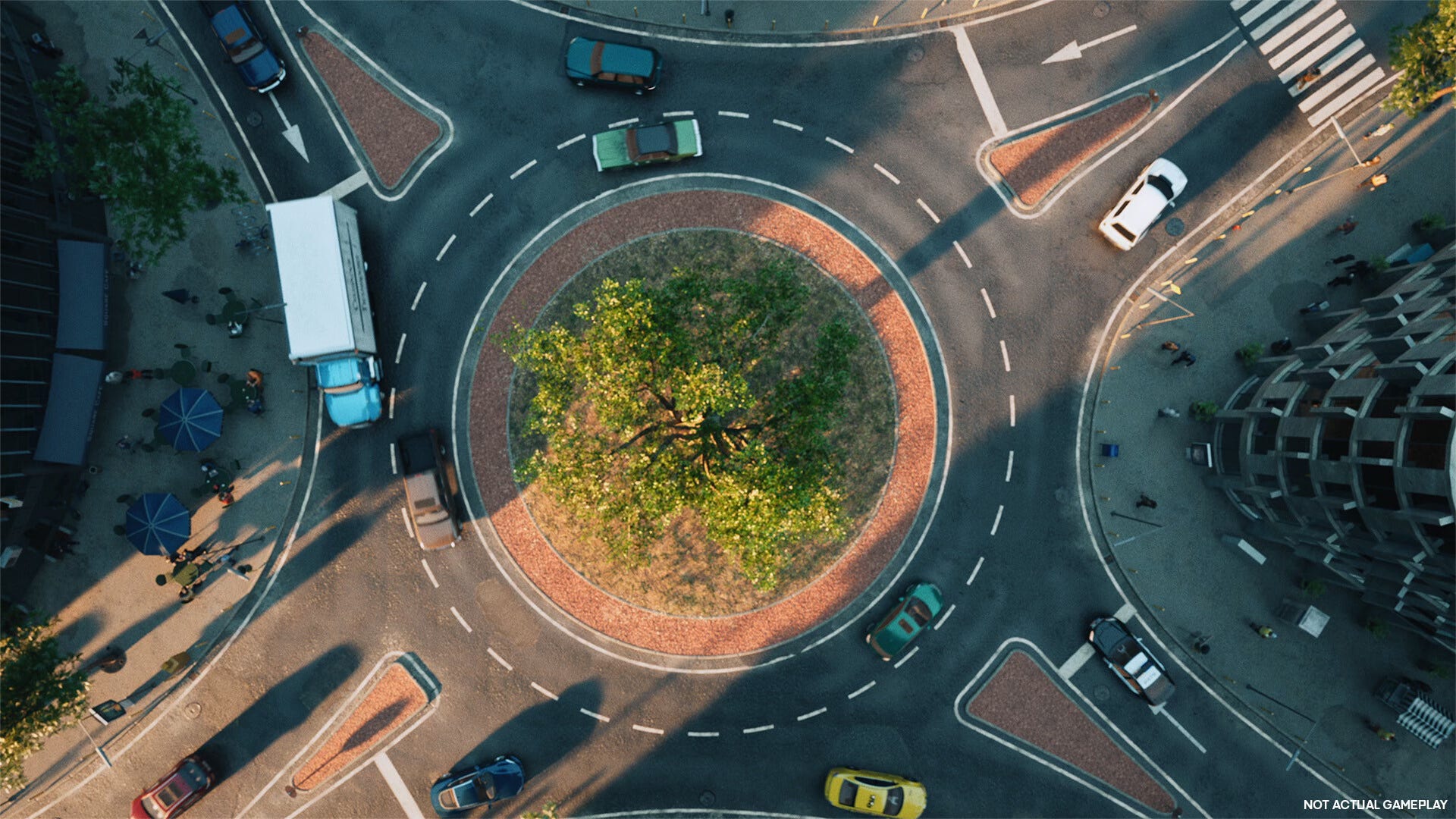
Cities Skylines, like Sim City before it, is hard to decipher from the outset. While the basic mechanics are self-explanatory - build some roads, zone some areas, let people move in - it’s home to layer upon layer of systems, all interacting with each other in numerous ways. The game is packed with things you couldn’t have anticipated.
Of course, these systems have a way of surfacing themselves over time. When your traffic slows to a crawl because you’ve put junctions too close together. When you’ve boxed yourself into a city, not leaving enough space for robust power production in the most efficient part of the map. When your infrastructure becomes overwhelmed and everything feels like it’s falling apart.
It’s in these moments that you get to know another layer of the onion. You learn, you quit, you start again. But this time you know more, you’re smarter, you’re improving. You begin to develop the mastery that makes your time spent with the game feel rewarding. But this can only stretch so far.
Investing your time in failure
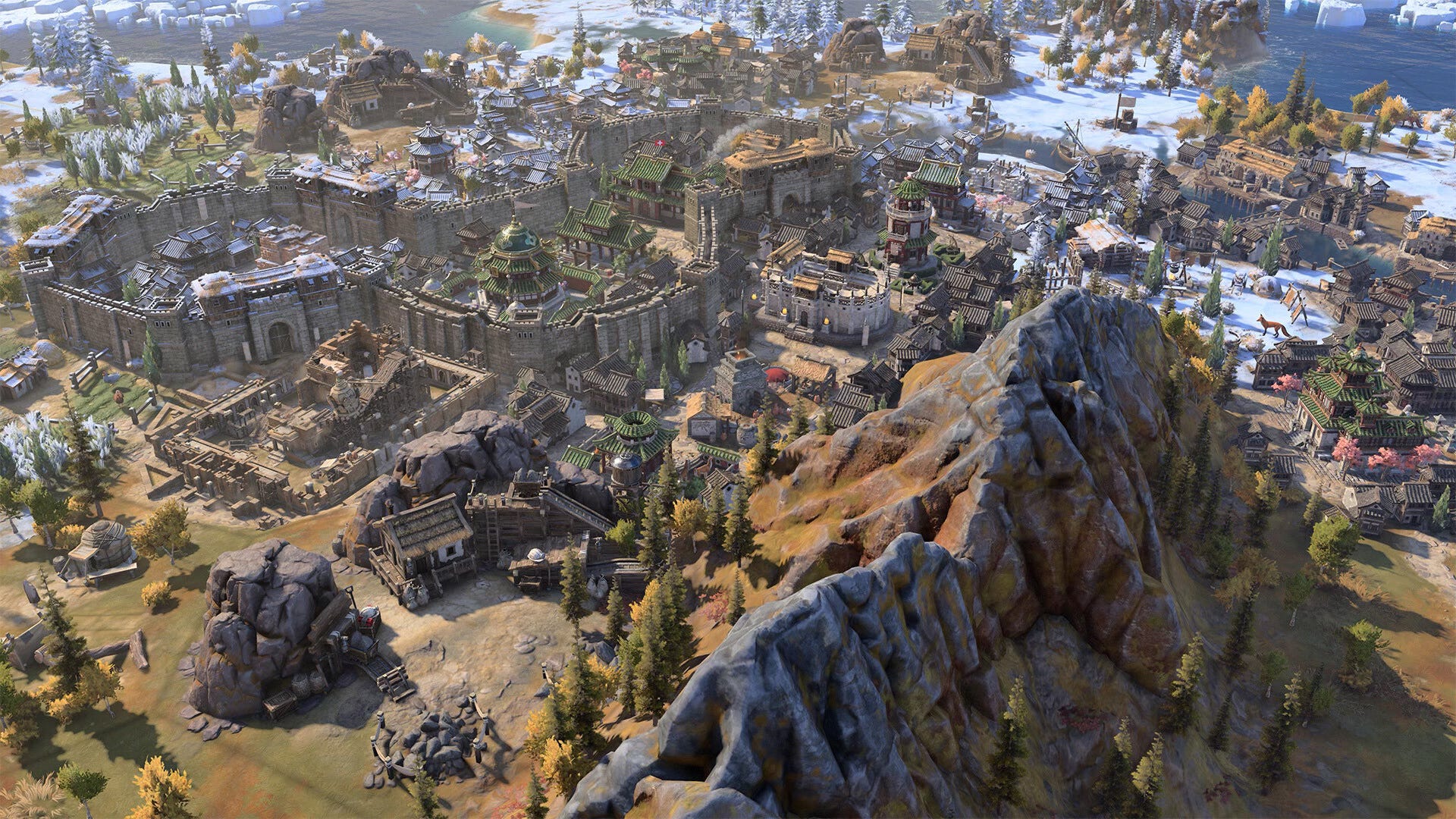
Even with the speed cranked up, Cities Skylines can be a fairly time-consuming game. It takes a while for the consequences of your mistakes to show themselves, teaching you an important concept to underpin your next attempt.
Civilization, too, is a game where you learn by doing and failing. There are just too many systems to learn from theory alone. And, like Cities Skylines, it takes an absolute age (Civilization-related pun intended).
Even on the smallest map and fastest settings, a full game of Civilization - from exploration to inevitable failure - takes days if not weeks of the average person’s playtime. That’s why so many games of Civilization lie abandoned, set aside when the player’s knowledge began to outpace what was possible in the aftermath of their bad start.
Because when we land on these epiphanies - the precise ones that make these games so compelling - we want to prove that we’ve learned from our mistakes.
The freedom to fail and learn
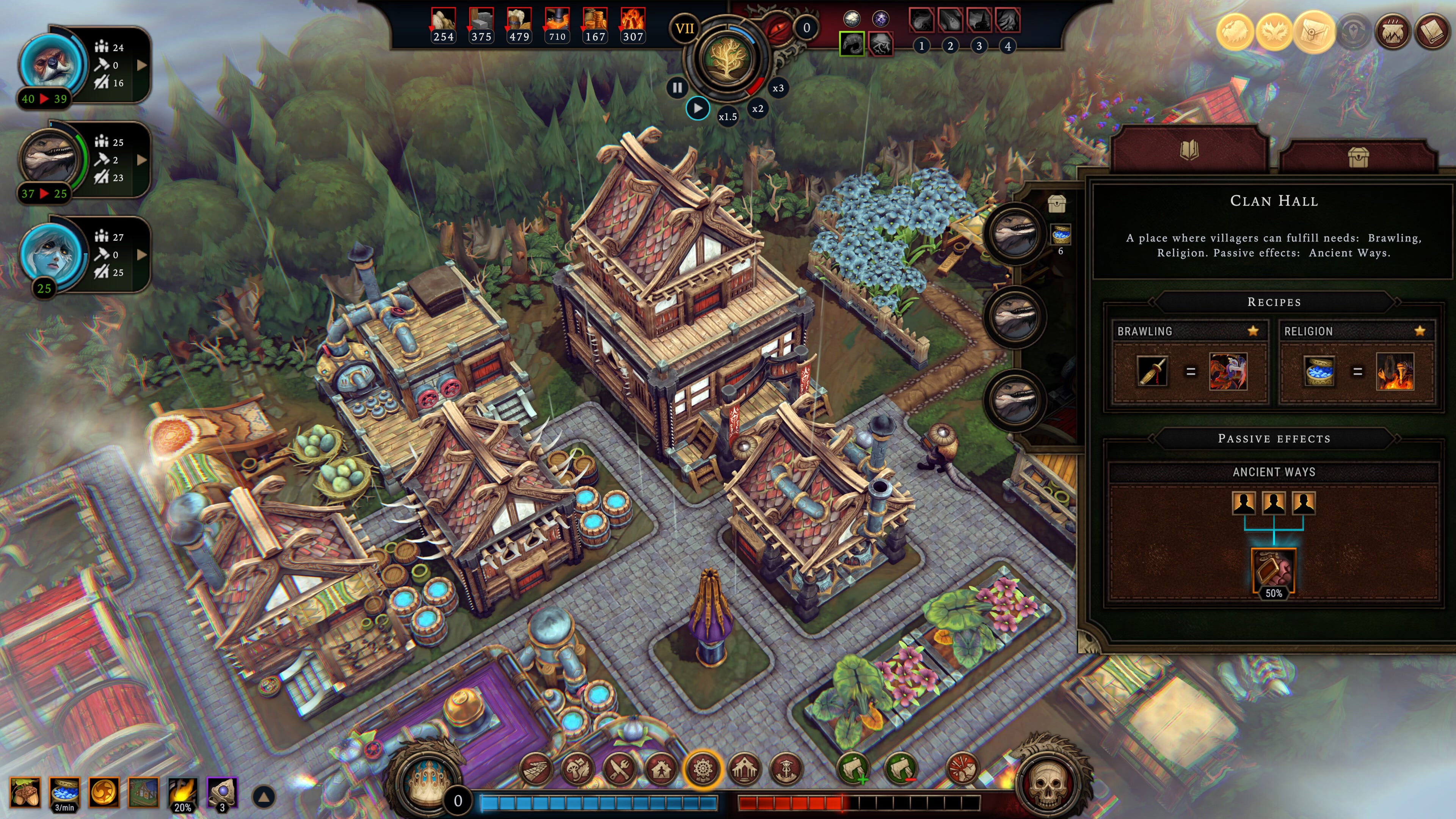
In Cities Skylines and Civilization, you spend hours failing so you can spend hours doing better the next time. Against the Storm, one of the most inventive city builders in the past few years, understands the value of accelerating this loop.
Adopting a roguelike structure, Against the Storm sees you throw together a small encampment in some spooky mushroom woods, see what works and what doesn’t, then dump it so you can make a better one. This entire process takes maybe 45 minutes at most so, unlike its longer counterparts, Against the Storm gives you more opportunities to strive for perfection. You’re not learning new things and making notes for next time. You’re learning new things and applying them with a fresh start just around the corner.
Satisfactory, the beloved first-person factory game, gives you this freedom too. Build a mess of conveyer belts and containers, run it for a while and see what’s wrong, then delete it and go again. Crucially and distinctly from many of its counterparts, Satisfactory refunds 100% of your build materials whenever you delete something from your world. There’s no sacrifice to make; no loss because you tried something that didn’t work. Just a fast way to take it back and be better next time.
Making it perfect
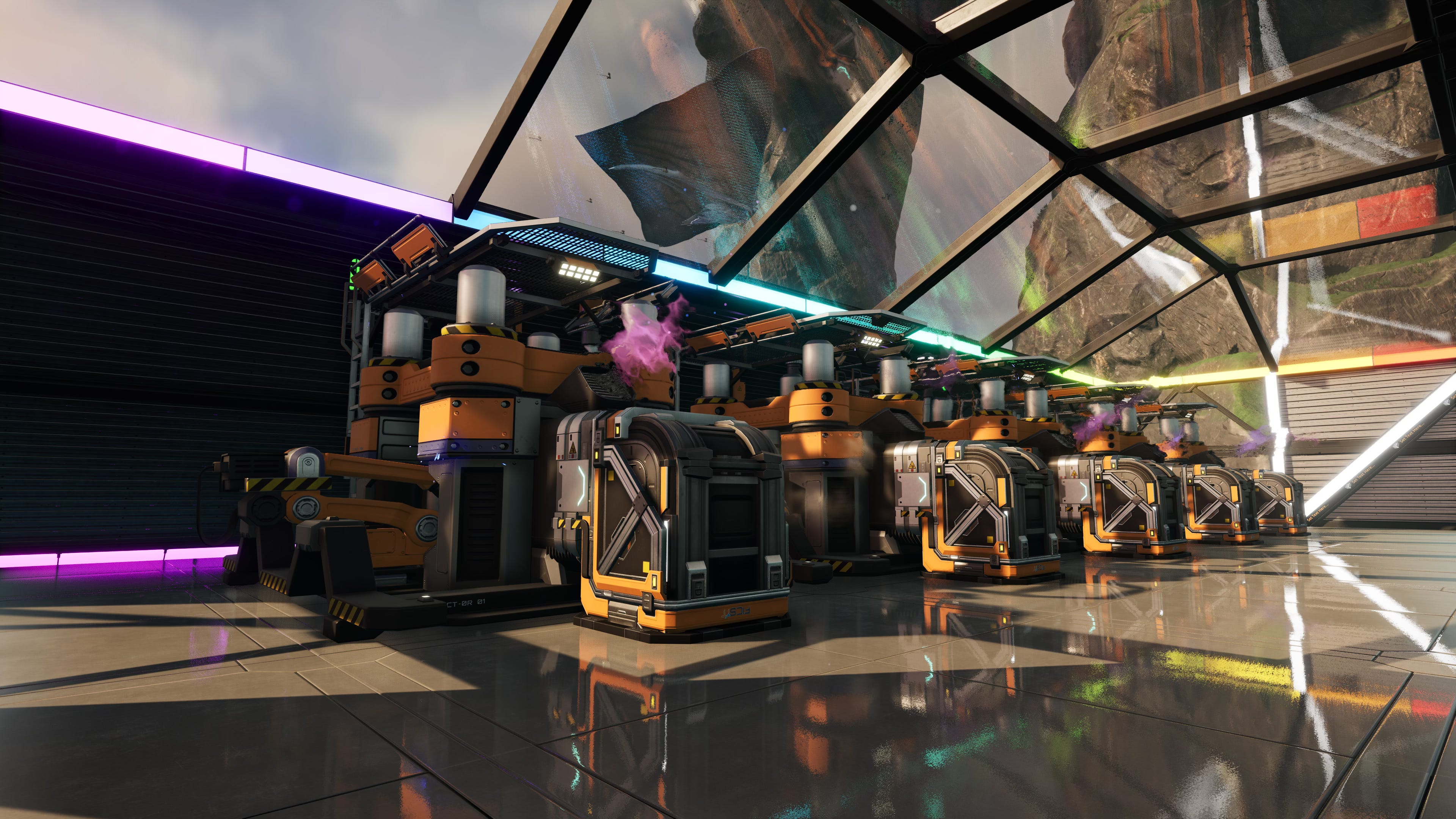
From Hades 2 to Satisfactory, many games play with that idea of making the next attempt perfect. It’s almost caveman-like in its nature: faced with a seemingly impossible obstacle, it’s inevitable that we want to overcome and assert our dominance.
But there’s a catch in these games, much in the same way as real life. Perfection is overrated and the pleasure of mastery is short-lived.
I recently watched a Civilization streamer share a heartfelt apology about falling out of the love with the game. He’d stopped posting, stopped playing, and believed his followers deserved to know why. And, for my money, that’s a product of mastery removing the pleasure of playing in the first place.
I want to plan the perfect factory. I want to create the perfect city. But I don’t want either of those things, not really. I want to feel like they’re possibilities, out there somewhere at the end of a journey. But, if the Civilization streamer is anything to go by, achieving those goals takes all the fun out of them.
Instead, I’ve come to realise that the failure is the part that matters. The quest for perfection is why city builders and factory games are so addictive. But it’s only while the quest feels endless that it means anything at all.
So much to relate to here, I feel like I’m always trying to play a game perfectly 🤣